
AC Making Hissing Noise

AC Making a Hissing Noise? What It Means (And What to Do Next)

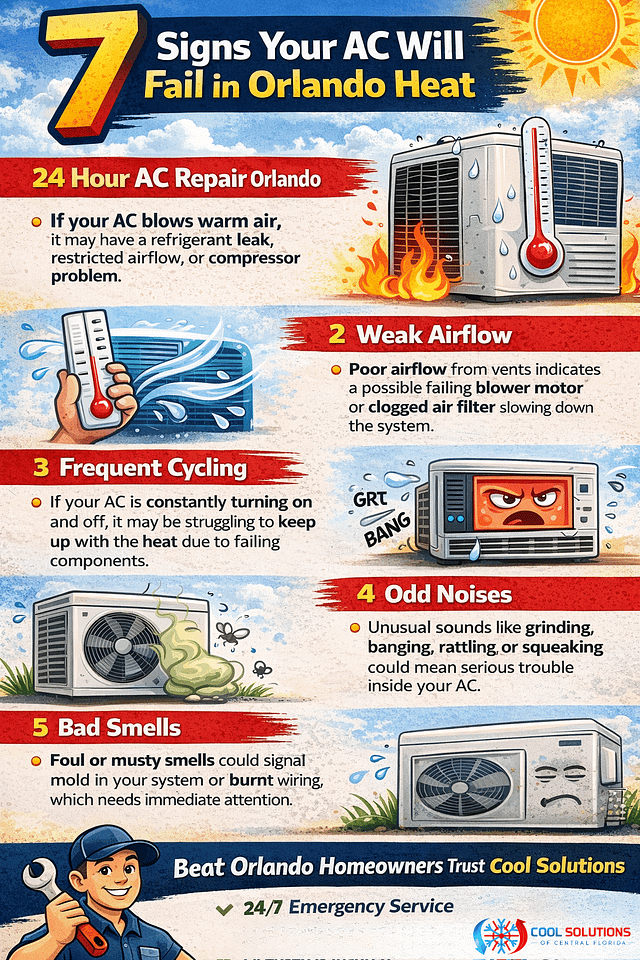
Hearing your AC making a hissing noise can be unsettling—especially if it’s new, getting louder, or happening every time the system runs. Sometimes a hiss is harmless. Other times it’s a sign of a problem that needs attention quickly, like a refrigerant leak or high pressure issue.

The good news is you don’t have to guess. Below we’ll explain the most common reasons an air conditioner hisses, what you can safely check yourself, what’s considered an emergency, and when it’s time to call a professional in Central Florida.

Is a Hissing Noise From an AC Dangerous?

It depends on what’s causing it. A light hiss that lasts a second during startup may be normal. But a persistent hiss—especially near the indoor unit, outdoor unit, or refrigerant line—can be a warning sign.

If you notice any of the following along with the hissing sound, it’s best to turn the system off and schedule service:

  • AC is blowing warm air
  • Ice on refrigerant lines or the indoor coil
  • Weak airflow from vents
  • Higher-than-normal humidity indoors
  • Sudden spike in your electric bill
  • Hissing sound is constant or getting worse

Common Causes of a Hissing AC Noise

Here are the most common reasons we see in the field when a homeowner reports a hissing sound:

1) Refrigerant Leak (Most Common Concern)

If the hiss sounds like air escaping or a tire losing air, one of the first things we look for is a refrigerant leak. Refrigerant doesn’t get “used up”—so if it’s low, it usually means it’s leaking somewhere.

Leaks can happen at:

  • Refrigerant line joints or fittings
  • Evaporator coil (indoor coil)
  • Outdoor coil (condenser coil)
  • Service valves

Why it matters: Low refrigerant can lead to poor cooling, frozen coils, compressor damage, and reduced system life. If the hiss is consistent and cooling is weak, don’t ignore it.

2) High Pressure or a Metering Device Issue

Air conditioners rely on refrigerant pressure to operate correctly. If the system is running at abnormal pressures or there’s an issue with the expansion valve or metering device, you may hear a hissing sound as refrigerant moves through the system.

Sometimes this is accompanied by performance problems like short cycling, uneven cooling, or reduced comfort.

3) Normal Refrigerant Movement (Short, Occasional Hiss)

In some cases, a brief hiss can simply be the sound of refrigerant equalizing pressure after the system shuts off or starts up—especially in newer systems.

The key difference is consistency. A “normal” hiss is usually:

  • Brief (a few seconds)
  • Not getting louder over time
  • Not paired with cooling problems

4) Ductwork Air Leak or Return Air Whistle

Not all hissing noises come from refrigerant. Sometimes the noise is actually airflow escaping through duct gaps, loose connections, or undersized returns. This can sound like a hiss or whistle and is often louder when the blower ramps up.

If the hiss seems to come from a wall, ceiling, or vent area, the cause may be duct-related rather than the AC unit itself.

5) Condensate Drain or Water-Related Issues

Occasionally, a clogged drain line or drainage issue can cause unusual noises around the air handler. While this isn’t the most common cause of “hissing,” it’s something we check—especially if there’s water around the unit or a float switch issue.

What You Can Check Safely (Before Calling a Pro)

If your AC is hissing, here are a few safe things you can do without touching electrical components or refrigerant lines:

  • Check the air filter: A clogged filter can create airflow strain and odd noises.
  • Listen for location: Does the sound come from the indoor unit, outdoor unit, or vents?
  • Look for ice: If you see ice on the refrigerant line or indoor coil, shut the system off.
  • Check cooling performance: If it’s blowing warm air or can’t keep up, it’s time to schedule service.

What not to do: Do not try to “top off” refrigerant. Refrigerant handling requires certification, and adding refrigerant without fixing the leak only creates a bigger problem later.

When You Should Turn the AC Off Immediately

Turn the system off and call for service if:

  • The hissing is loud and continuous
  • You see ice on the refrigerant line or unit
  • The AC is blowing warm air
  • Comfort and humidity are noticeably worse
  • You smell something unusual (chemical smell or burning)

Running the system while it’s struggling can lead to compressor damage, and that’s one of the most expensive repairs an HVAC system can face.

How We Diagnose a Hissing AC in Central Florida

When you call Cool Solutions of Central Florida for an AC noise issue, we don’t guess. We confirm what’s happening and why.

Our diagnosis typically includes:

  • Identifying the source of the sound (indoor unit, outdoor unit, ductwork, or lines)
  • Checking refrigerant pressures and temperature readings
  • Inspecting coils, fittings, valves, and line connections
  • Evaluating airflow and duct-related issues when applicable
  • Providing clear repair options with upfront pricing

By the end of the visit, you’ll know exactly what caused the noise and what it takes to fix it properly.

Frequently Asked Questions About an AC Making a Hissing Noise

Why is my AC making a hissing noise?
A hissing noise can come from refrigerant moving through the system, a refrigerant leak, abnormal pressure, or airflow leaking through ductwork. If the hiss is constant or paired with poor cooling, it should be inspected.
Is a hissing AC a sign of a refrigerant leak?
It can be. A steady hiss that sounds like air escaping is one of the common signs of a refrigerant leak, especially if your home isn’t cooling well or you see ice forming on the line or coil.
Should I turn off my AC if it’s hissing?
If the noise is loud, continuous, or you notice warm air, icing, or reduced airflow, yes—turn it off and schedule service. Continuing to run a struggling system can cause bigger damage.
Can ductwork cause a hissing noise?
Yes. Air leaks, loose duct connections, or return air restrictions can create a hiss or whistle sound, especially when airflow is high. If the noise seems to come from vents or walls, ductwork is worth checking.
Is it normal for a new AC to hiss?
Sometimes. Some systems make a brief hiss during startup or shutdown as pressures equalize. It’s usually not a concern if cooling performance is normal and the sound is short and consistent—not growing louder over time.
How do you find the source of the hissing sound?
We locate where the sound is coming from first, then check refrigerant pressures, inspect fittings and coils, and evaluate airflow. This helps confirm whether the issue is refrigerant-related, component-related, or duct-related.
Can I fix a refrigerant leak myself?
Refrigerant handling requires certification, and leaks must be properly repaired before adding refrigerant. The right fix is to locate the leak, repair it correctly, and then recharge the system to factory specifications.

Need Help With an AC Making a Hissing Noise?

If your AC is making a hissing sound and you’re not sure what it means, we can help you get answers quickly. Whether it’s a refrigerant leak, airflow issue, or something simple, we’ll diagnose it clearly and recommend the best fix.

Call Cool Solutions of Central Florida at (407) 416-8148 or contact us online to schedule service.

Carrier Warranty Lookup

Carrier Warranty Lookup (How to Check Coverage by Serial Number)

If you’re trying to do a Carrier warranty lookup, you’re not alone. Most homeowners don’t think about the warranty until something stops working—and suddenly you’re trying to figure out what’s covered, what’s not, and which number on the unit actually matters.

This page walks you through the process in simple terms. We’ll explain how to find your serial number, how Carrier’s warranty lookup works, what the results usually mean, and what to do next if your system needs service.

How to Do a Carrier Warranty Lookup

Carrier provides an online warranty lookup tool that lets you check coverage using your system’s serial number. Here’s the basic process:

  • Locate the serial number on your Carrier unit.
  • Enter that serial number into Carrier’s warranty lookup tool.
  • Indicate whether you are the original purchaser of the system.
  • Review the warranty information shown for your equipment.

Carrier notes that the lookup results are meant to help guide you and should be used along with your warranty certificate when scheduling service or contacting a dealer.

Where to Find the Serial Number on a Carrier System

Your Carrier system has a rating plate (label) that lists the model and serial number. The location depends on the type of equipment:

  • Outdoor AC or heat pump: Usually on the outside of the cabinet, often near the refrigerant lines or electrical panel.
  • Indoor air handler: Commonly inside the closet unit or attic air handler, behind the access panel.
  • Gas furnace: Often inside the front panel or on the side of the cabinet.

Helpful tip: Take a clear photo of the rating plate with your phone. It helps avoid mixing up similar-looking characters and makes it easier if you need to share the information later.

What Information You’ll Need for a Carrier Warranty Check

To complete a Carrier warranty lookup, you’ll typically need:

  • Serial number (required)
  • Model number (helpful for service and parts verification)
  • Original homeowner status (Carrier asks this during lookup)
  • Warranty certificate (if you have it)

Registration status and homeowner status can affect how much coverage is shown, which is why Carrier asks these questions.

Understanding Carrier Warranty Coverage (Parts vs. Labor)

This is where confusion usually happens. Most manufacturer warranties—including Carrier—focus primarily on parts coverage.

Even if a part is covered under warranty:

  • Labor to diagnose and install the part may not be included
  • Service call fees can still apply
  • Processing or administrative fees may apply

Carrier typically categorizes coverage as:

  • Enhanced Parts Warranty: Often tied to product registration and original homeowner status
  • Standard Parts Warranty: Included with the equipment but may have shorter coverage terms

Your specific coverage depends on how and when the system was registered, who owns the home, and the unit’s age.

Common Carrier Warranty Lookup Issues

Lookup tool shows no results or errors

This doesn’t automatically mean you have no warranty. Double-check the serial number carefully—0 and O or 1 and I are common mix-ups. Older systems or database issues can also cause lookup problems.

You’re not the original homeowner

When a home is sold, warranty terms can change. Carrier asks about original purchaser status because coverage may differ for subsequent owners.

The system was never registered

Unregistered systems often still have standard coverage, but enhanced warranty benefits may not apply. The lookup results usually clarify what’s active.

You found a part number instead of the serial number

For warranty lookup, you need the unit’s rating plate serial number—not the number printed on individual components.

Fastest Way to Use Your Carrier Warranty

If your system isn’t cooling or heating properly, here’s the most efficient approach:

  • Take a photo of the rating plate (model and serial number)
  • Note what the system is doing (or not doing)
  • Schedule service so the issue can be diagnosed and confirmed

Once the failed component is identified, it’s much easier to determine whether the part is covered and what costs, if any, may apply.

Related HVAC Services

  • AC Repair
  • Heat Pump Repair
  • HVAC Maintenance
  • Contact Us

Frequently Asked Questions About Carrier Warranty Lookup

How do I do a Carrier warranty lookup by serial number?
Locate the serial number on your system’s rating plate and enter it into Carrier’s warranty lookup tool. Carrier will ask whether you are the original purchaser, as that can affect coverage details.
Where is the serial number on a Carrier AC or heat pump?
The serial number is usually on the outdoor unit’s rating plate. For indoor equipment, check the air handler or furnace cabinet behind the access panel or door.
What if the Carrier warranty lookup tool isn’t working?
Double-check the serial number for errors. If it still won’t pull up, it may be a data issue or an older system. Your warranty paperwork or a local HVAC professional can often help verify coverage.
Do I need the model number as well?
The serial number is required for lookup, but having the model number is helpful when scheduling service or confirming compatible replacement parts.
Does Carrier warranty include labor?
Most manufacturer warranties cover parts, not labor. Even when a part is covered, labor, service calls, and processing fees may still apply.
What’s the difference between enhanced and standard parts warranties?
Enhanced warranties are often tied to registration and original homeowner status. Standard warranties come with the system but may have shorter terms. Your lookup results will show which applies.
What if I bought my home with the Carrier system already installed?
Warranty terms can change after a home sale. Coverage for subsequent owners may differ from what the original homeowner received.
What should I have ready before calling for warranty-related service?
Have a photo of the rating plate, a description of the issue, and any installation or warranty paperwork you have available. This helps speed up the process.

Need Help With a Carrier Warranty or HVAC Service in Sanford, FL?

If you’re in Sanford or the surrounding Central Florida area and want help understanding your Carrier warranty or getting your system repaired, we’re here to help.

Call Cool Solutions of Central Florida at (407) 416-8148 or reach out through our contact page to schedule service and get clear, honest guidance.

3 Ton Heat Pump

3 Ton Heat Pump (36,000 BTU) Guide for Central Florida Homeowners

If you’ve been searching for a 3 ton heat pump, you’re probably trying to answer one of two questions:

  • “Is 3 tons the right size for my home?”
  • “What should a 3-ton heat pump cost — and what options matter?”

Here’s the truth: in Central Florida, picking the right system isn’t just about tonnage. The best 3-ton heat pump is the one that’s sized correctly, installed correctly, and actually keeps your home cool and dry (not just cool). Humidity control is where a lot of systems fail in Florida — and it’s also where a properly matched heat pump setup shines.

This guide breaks it down in plain terms: how a 3-ton system works, what homes it typically fits, what affects pricing, what features matter most in our climate, and the questions homeowners ask us every week.

What Is a 3 Ton Heat Pump?

A 3 ton heat pump is a system with around 36,000 BTU of capacity (because 1 ton = 12,000 BTU per hour). It provides both cooling and heating by moving heat rather than creating it — which is one reason heat pumps are one of the most energy-efficient HVAC options available today.

In Florida, heat pumps are popular because we spend far more time cooling than heating, and a properly designed heat pump system can keep the home comfortable year-round without relying heavily on electric heat strips.

How Many Square Feet Does a 3 Ton Heat Pump Cover?

Homeowners ask this constantly, and it’s understandable — you’ll see all kinds of “rules of thumb” online. But in real homes, especially in Florida, square footage alone doesn’t tell the full story.

As a general starting range, a 3-ton system often serves homes around 1,400 to 2,000 square feet, but that can swing up or down depending on the home’s insulation, ceiling height, duct leakage, window exposure, and how much direct sun the house gets in the afternoon.

Why we don’t guess tonnage (and why you shouldn’t either)

It’s common for a home to have a system that “worked okay” until a renovation, window change, roof upgrade, or duct issue shows up. Another common problem is replacing a 3-ton unit with another 3-ton unit simply because “that’s what was there.”

The issue is: the original system might have been oversized or undersized — and the homeowner may have dealt with humidity issues, uneven temperatures, or a high electric bill for years without realizing the root cause.

  • Oversized systems often short-cycle, which can lead to higher humidity, clammy rooms, and inconsistent comfort.
  • Undersized systems may run constantly and still struggle on peak summer days.
  • Right-sized systems run longer, more evenly, and tend to feel more comfortable — especially when paired with variable-speed technology.

That’s why we always recommend sizing based on a Manual J load calculation (or at least the same principles) instead of a guess based on square footage.

What Actually Matters in a 3 Ton Heat Pump in Florida

In many parts of the country, sizing is the primary focus. Here in Central Florida, sizing is critical — but comfort is also about managing moisture. The system you choose should be designed to cool your home while pulling humidity out of the air, because that’s what makes the home feel comfortable at 74° instead of sticky at 74°.

1) Variable-Speed / Inverter Technology (Best Upgrade for Comfort)

If you’ve ever felt like your AC cools the home… but it still feels damp, variable-speed equipment is often the solution. Instead of turning on full blast and shutting off quickly, an inverter system can run longer at lower speeds. That means more consistent temperature, less noise, and much better humidity control.

2) Efficiency Ratings: SEER2 and HSPF2

Heat pumps are measured using two key efficiency ratings:

  • SEER2 — cooling efficiency (very important in Florida)
  • HSPF2 — heating efficiency

Higher efficiency can lower energy usage, but it’s not always as simple as “buy the highest SEER2.” Your ductwork condition, airflow, and installation quality play a massive role in real-world performance. A properly installed mid-tier system can often outperform a high-end system installed incorrectly.

3) Airflow and Return Duct Setup (The Hidden Dealbreaker)

This is one of the biggest reasons a heat pump underperforms. A 3-ton system needs the right airflow to move conditioned air through your home — and it needs a return setup that isn’t restricted.

When return air is too small or ductwork is damaged, you may notice:

  • Some rooms hotter than others
  • Excess humidity
  • Whistling noises or “air rush” sound
  • Frozen coils
  • Higher-than-expected energy usage

We always check airflow and duct conditions because it’s hard to recommend equipment confidently if the system can’t breathe.

4) Proper Equipment Matching (Outdoor Unit + Air Handler)

A heat pump is not just the outdoor unit. It’s the outdoor unit, the indoor air handler, the coil, the thermostat, and how all of it works together. Matched combinations (often AHRI-rated) help ensure the system hits the efficiency and comfort performance it was designed for.

3 Ton Heat Pump Options (Good / Better / Best)

Not every homeowner needs the most expensive heat pump, but you do want the system that fits your comfort goals and the way your home handles humidity. Here’s a simple breakdown we use when helping Central Florida homeowners choose.

Good: Single-Stage Heat Pump

  • Lower upfront cost
  • Solid replacement option when comfort issues haven’t been a problem
  • Best for smaller budgets and straightforward installs

Better: Two-Stage Heat Pump

  • Runs at a lower stage most of the time
  • More consistent temperatures and better humidity performance than single-stage
  • A strong option when you want better comfort without jumping to inverter pricing

Best: Variable-Speed / Inverter Heat Pump

  • Best humidity control and comfort in Florida
  • Often quieter and more efficient
  • Ideal if you’ve dealt with clammy rooms, uneven temps, or high summer bills

Single-Stage vs Two-Stage vs Variable-Speed: Quick Comparison

Feature Single-Stage Two-Stage Variable-Speed / Inverter
Comfort Consistency Basic Better Best
Humidity Control (Florida) Fair Good Excellent
Noise Level Moderate Quieter Quietest
Efficiency Potential Good Better Best
Upfront Cost Lowest Mid Highest

3 Ton Heat Pump Cost in Central Florida (What Changes the Price)

If you’ve seen online pricing ranges, you probably noticed how wide the numbers can be — and that’s because installed cost depends heavily on what your home needs.

Here are the most common factors that influence the cost of a 3-ton heat pump installation or replacement:

  • System type (single-stage, two-stage, or variable-speed/inverter)
  • Efficiency level (SEER2/HSPF2 and whether it qualifies for incentives)
  • Ductwork condition (leaks, undersized returns, crushed flex duct, poor airflow)
  • Electrical updates (disconnects, breakers, or code corrections)
  • Refrigerant line set condition (reuse vs replace)
  • Drain safety and overflow protection (critical in Florida attics/closets)
  • Thermostat requirements (communicating systems vs standard systems)

Important: A lower bid doesn’t always mean you found a better deal — it may mean corners are being cut on airflow, drainage protection, or commissioning. That’s where headaches start: higher humidity, nuisance shutoffs, premature compressor issues, and service calls that could have been avoided.

Our 3 Ton Heat Pump Installation & Replacement Process

When we install or replace a 3-ton heat pump, we focus on the parts that actually impact performance — not just swapping boxes.

  1. Load and sizing verification (Manual J principles)
  2. Ductwork and airflow check (returns, restrictions, leakage, balance)
  3. Equipment selection based on comfort goals and budget
  4. Code-compliant installation with best-practice drain safety measures
  5. Commissioning (charge verification, airflow targets, temperature split)
  6. Final walkthrough (thermostat settings, filters, maintenance tips)

Related Pages (Helpful Next Steps)

  • Heat Pump Installation
  • Heat Pump Repair
  • AC Repair
  • HVAC Maintenance

Frequently Asked Questions About 3 Ton Heat Pumps

How many BTUs is a 3 ton heat pump?

A 3-ton heat pump delivers about 36,000 BTU per hour (1 ton = 12,000 BTU/hr).

What size house is a 3 ton heat pump good for?

As a rough range, many 3-ton systems fall around 1,400 to 2,000 sq ft, but the correct size depends on your home’s insulation, windows, ceiling height, sun exposure, and ductwork. The most accurate way to size is a Manual J load calculation.

Is it bad if my heat pump is oversized?

It can be. Oversized systems tend to short-cycle, which usually leads to poorer humidity control, uneven temperatures, and extra wear on the equipment.

Will a variable-speed 3 ton heat pump help with humidity?

Yes — in many homes it makes a noticeable difference. Variable-speed systems can run longer at lower output, which generally improves moisture removal and maintains steadier temperatures.

What SEER2 rating should I look for in Central Florida?

Higher SEER2 ratings can reduce cooling costs, but the best value depends on your home, your ductwork, and the price jump between equipment levels. If humidity and comfort are priorities, two-stage or variable-speed options are often the best upgrade.

Do I need heat strips with a heat pump in Florida?

Many Florida heat pump systems include auxiliary electric heat strips for colder days or defrost cycles. Whether you need them (and what size) depends on your system design and comfort preferences.

What return air setup do I need for a 3 ton system?

Return sizing depends on airflow targets (CFM), duct layout, and static pressure. Undersized returns can cause noise, reduced performance, coil freezing, and higher operating costs. A quick airflow evaluation can confirm whether your return setup supports a 3-ton system.

How long does a heat pump last in Florida?

Many systems last around 10–15 years when installed correctly and maintained. Coastal exposure, heavy runtime, and duct/drain issues can shorten lifespan.

How often should I service my heat pump?

We recommend professional maintenance at least once per year (often twice yearly is ideal in Florida), plus regular filter changes (commonly every 1–3 months depending on your filter and usage).

Should I replace just the outdoor unit or the whole system?

In many cases, replacing both indoor and outdoor equipment together is best for efficiency and reliability because the system remains properly matched. We can confirm the best option based on the age and condition of your existing system.

Can upgrading to a 3 ton heat pump lower my electric bill?

Yes — especially if your existing system is older, inefficient, or struggling with airflow issues. Many homeowners see the biggest improvements when upgrading equipment and correcting duct or return restrictions.

Get Help Choosing the Right 3 Ton Heat Pump

If you want a 3-ton heat pump that actually performs the way it should in Central Florida — cooler air, better humidity control, fewer hot spots, and dependable year-round comfort — start with correct sizing and airflow.

Contact Cool Solutions of Central Florida to schedule an evaluation and get recommendations tailored to your home and budget.

AC Blowing Hot Air

Why Is My AC Blowing Hot Air? (Florida Homeowner Guide)

If your AC is blowing hot air in the middle of a Florida summer, it’s more than uncomfortable — it can quickly become an emergency.

Before you panic, there are several common reasons this happens. Some are simple fixes. Others require professional AC repair.

Below, we’ll walk you through the most common causes, what you can check yourself, when to call an HVAC technician, and how to prevent it from happening again.

Quick Answer: Why Is My Air Conditioner Blowing Hot Air?

Your AC is likely blowing warm air because of one of these issues:

  • Thermostat set incorrectly
  • Dirty air filter restricting airflow
  • Low refrigerant or a refrigerant leak
  • Frozen evaporator coil
  • Tripped breaker to the outdoor unit
  • Compressor or capacitor failure
  • Clogged condensate drain line

1) Thermostat Settings Are Incorrect

This is the most common and easiest fix.

Check:

  • Is it set to COOL and not HEAT?
  • Is the temperature set lower than room temperature?
  • Is the fan set to AUTO (not ON)?

If the fan is set to ON, it may blow air even when the AC isn’t actively cooling, making it feel like warm air is coming out.

Florida Tip: Power outages and storms often reset thermostats.

2) Your Air Filter Is Dirty

A clogged air filter restricts airflow, which can cause warm air from vents, frozen coils, constant runtime, and higher electric bills.

If your filter looks gray or dusty, replace it immediately. In Florida’s humidity, filters often need to be replaced every 30–60 days.

3) Low Refrigerant or a Refrigerant Leak

Refrigerant is what absorbs heat from inside your home. If levels are low, air may feel slightly cool at first and then warm, ice may form on the indoor unit, and the system may run longer than normal.

Important: Low refrigerant typically indicates a leak and requires professional repair.

4) Frozen Evaporator Coil

If your AC is blowing hot air and you notice ice buildup, your evaporator coil may be frozen.

Common causes include:

  • Dirty filter
  • Blocked return vents
  • Low refrigerant
  • Restricted airflow

Turn off the AC and switch the fan to ON to help thaw it. If the problem returns, schedule a professional inspection.

5) Outdoor Unit Not Running

If your indoor unit is running but the outside condenser isn’t, your system may blow warm air.

Check:

  • Is the breaker tripped?
  • Is the disconnect switch off?
  • Is debris blocking the unit?

Storm season note: Power fluctuations can cause breaker trips. If the breaker keeps tripping, don’t reset it repeatedly — call a technician.

6) Compressor or Capacitor Failure

The compressor is the heart of your AC system. If it fails, air can still blow but won’t cool.

Possible signs:

  • Outdoor unit hums but won’t start
  • Clicking noises
  • Warm air from vents despite the system running

This requires professional diagnosis.

7) Clogged Condensate Drain Line

In Florida’s humidity, drain lines clog frequently. When clogged, safety switches may shut down the system, warm air may blow, and you may see water near the unit.

This is one of the most common service calls in our area.

What Should You Check First?

Before calling for AC repair, try this checklist:

  • Confirm thermostat settings
  • Replace the dirty air filter
  • Check the breaker panel
  • Inspect the outdoor unit for debris
  • Make sure vents are open and unblocked

If the issue continues, it’s time to call a licensed HVAC professional.

Why This Happens More Often in Florida

Florida homes experience high humidity, long AC run times, frequent storms and power fluctuations, and (in coastal areas) salt air corrosion. These factors put more strain on HVAC systems than in cooler climates.

Routine maintenance is critical here.

When to Call for AC Repair

Call immediately if:

  • Your AC is blowing hot air continuously
  • You see ice buildup
  • You hear unusual noises
  • Breakers repeatedly trip
  • Your home won’t cool below 78–80°F

Ignoring the issue can lead to compressor failure — one of the most expensive repairs.

How to Prevent Your AC From Blowing Hot Air Again

  • Replace filters regularly
  • Schedule annual AC maintenance
  • Keep the outdoor unit clear of debris
  • Have refrigerant levels checked
  • Clean drain lines seasonally

AC Blowing Warm Air? We Can Help.

If your air conditioner is blowing hot air in Central Florida, our licensed HVAC technicians can quickly diagnose and repair the issue.

We provide:

  • Same-day service when available
  • Honest diagnostics
  • Upfront pricing
  • Licensed and insured technicians
  • Repairs on all major brands

Don’t sweat through another Florida day. Call Cool Solutions of Central Florida today to schedule service.

FAQ: AC Blowing Hot Air

Why is my AC blowing warm air but the fan is running?

This often means the outdoor condenser unit isn’t functioning (power issue, capacitor issue, compressor issue) or refrigerant is low due to a leak.

Can low refrigerant cause hot air?

Yes. Refrigerant absorbs heat. If levels are low, the system can’t remove heat effectively and may blow warm air.

Should I turn off my AC if it’s blowing hot air?

Yes. Running it can worsen damage, especially if coils are frozen or the outdoor unit is not operating properly.

How much does it cost to fix AC blowing hot air?

It depends on the cause. Minor fixes like replacing a capacitor can be relatively affordable, while compressor repairs or refrigerant leak repairs can be more involved. A technician can diagnose the issue and provide an upfront estimate.

Free 1-Year Priority Comfort Club Membership With Every New HVAC System Installation - $299 Value